Allied health·Ryde, NSW·2025
Harbour Physio
Bookings that don’t die in the lunch-hour voicemail
New patients book the right appointment type without ringing reception
Client
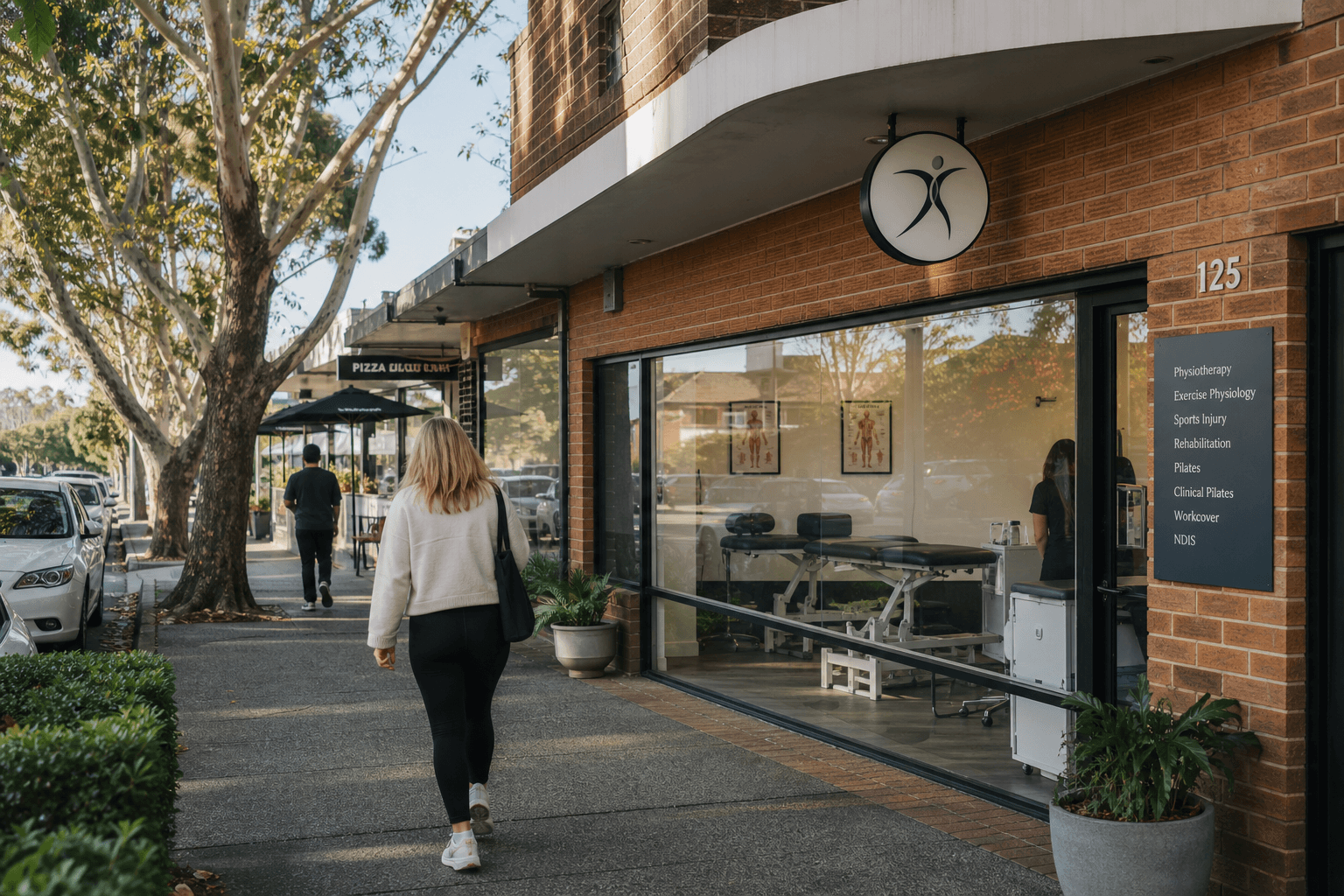
Owner-operated clinic: four physios, one practice manager, and a part-time receptionist. Most patients are local — Top Ryde, Meadowbank, Putney — plus a few WorkCover files.
Engagement
Fixed-scope site and booking build with Priya (practice manager) as day-to-day owner. The principal signed copy and treatment names; we never touched clinical notes.
Duration
6 weeks
A four-clinician physio on Blaxland Road was losing new patients to practices that took bookings online. We rebuilt the site around real appointment types, wired it to their existing diary, and stopped the front desk from retyping every enquiry.
- Clinic site
- Bookings
- Allied health
Starting point
The old site was a Wix leftover from 2019: one phone number, a stock photo of a spine, and a contact form that landed in a Gmail tab nobody checked on Tuesdays. New patients called during lunch; if the phone rang out they booked the clinic two doors down. Google reviews kept mentioning “couldn’t get through”.
Challenge
The diary already worked. Staff would not adopt a second booking tool. Treatment names on the site had to match what physios actually book — “initial 45” versus “review 30” — or the calendar would fill with the wrong slots.
Approach
We sat at reception for a morning and wrote down every call type. Those became the only bookable services. The site leads with hours, parking, and WorkCover notes before any brand story. Booking deep-links into the existing diary; the contact form is for referrers only. Priya owns publishing — we left a one-page guide for swapping a clinician photo.
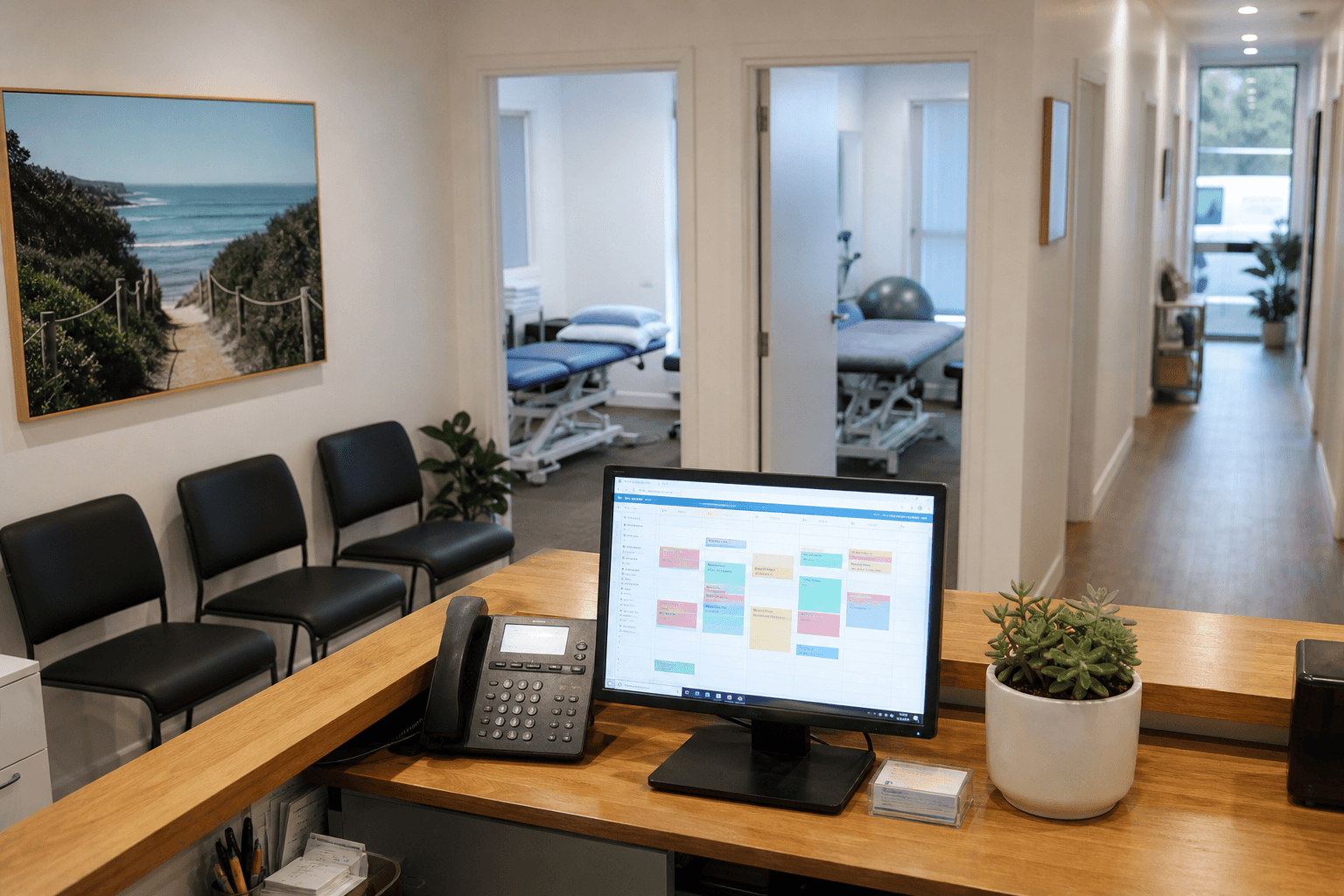
How it ran
Discovery through launch — emphasis changes by client; this is how this one actually went.
- 1
Discovery
Shadowed reception, listed call types, photographed the street frontage so the site matched how people actually arrive.
- 2
IA & copy
Sitemap of treatments, fees, and referrers. Principal signed every claim before design polish.
- 3
Build
Framer templates, diary deep-links, mobile QA on the receptionist’s own phone.
- 4
Connect
DNS cutover, form tests, confirm a real booking landed in the diary — not just a thank-you screen.
- 5
Launch
Google Business hours aligned, old Wix redirected, Priya walked through publishing before we left.
What we shipped
- Treatment-led site with parking, fees, and WorkCover copy
- Bookable appointment types mapped to the existing diary
- Referrer form that skips the public booking path
- Handover note for hours, bios, and holiday closures
Outcomes
- →Reception stopped taking routine booking calls through the lunch break
- →New-patient forms arrive with the right appointment type already chosen
- →The clinic can update hours and bios without opening a ticket
Stack
- Framer (site + treatment pages)
- Existing practice diary (no second calendar)
- SMS reminders via the diary’s own channel
- Cloudflare DNS and caching
Constraints
- No new clinical system — diary stays source of truth
- AHPRA-safe claims only; no outcome percentages on the site
- One training session; no ongoing retainer unless they ask
What actually worked
Matching the site’s appointment names to the diary ended the ‘wrong slot’ arguments. Sitting at the desk for a morning was cheaper than another workshop.
From the room
“Patients book the right thing now. I am not rewriting every enquiry into the diary at 5:30.”
— Priya Chen, practice manager
Related work
More case studies
 Live product
Safety & compliance SaaS · Sydney, Australia
Vouchd
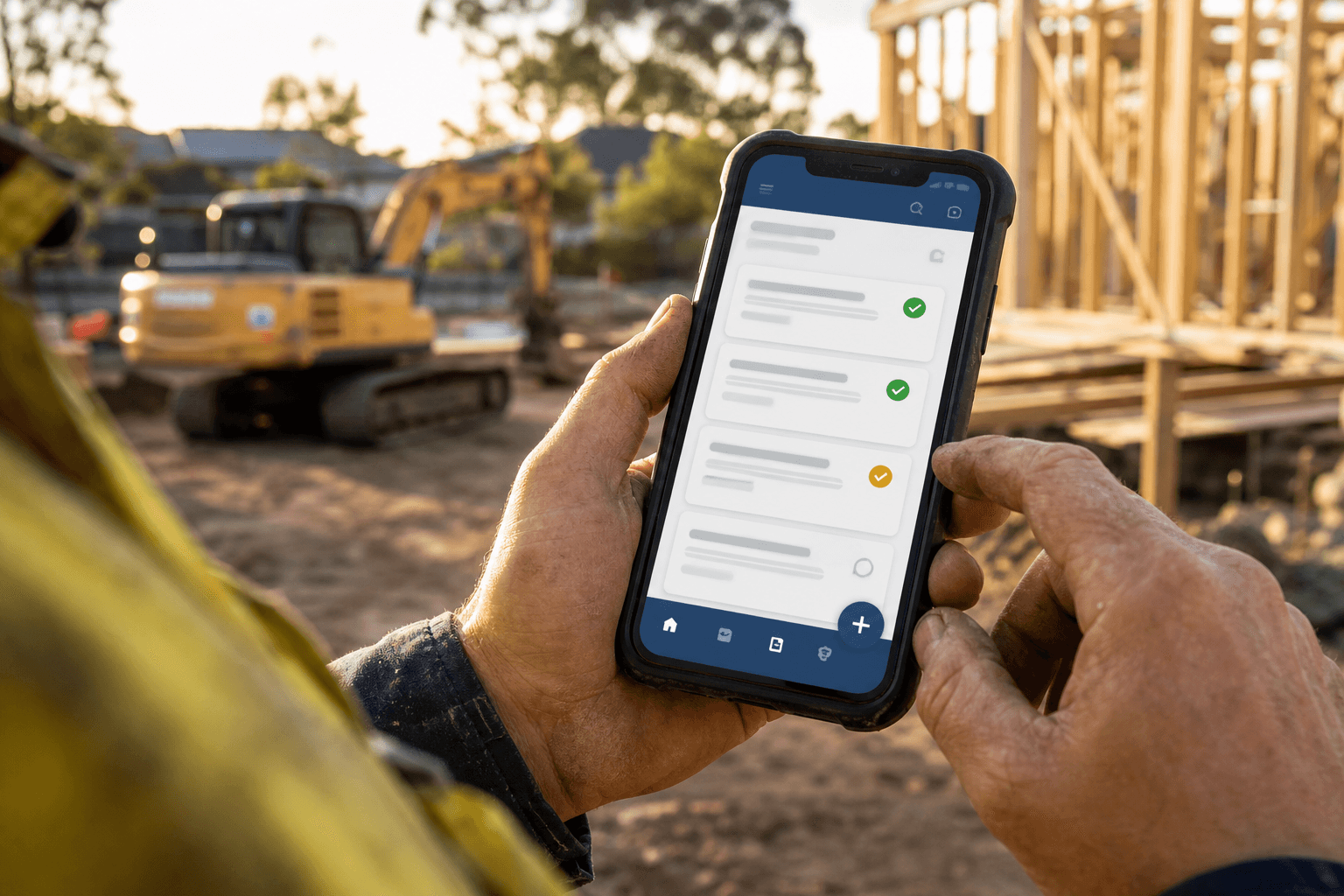
Safety & compliance checklists teams actually finish on site
Trades · Preston, VIC
Northside Electrical Group
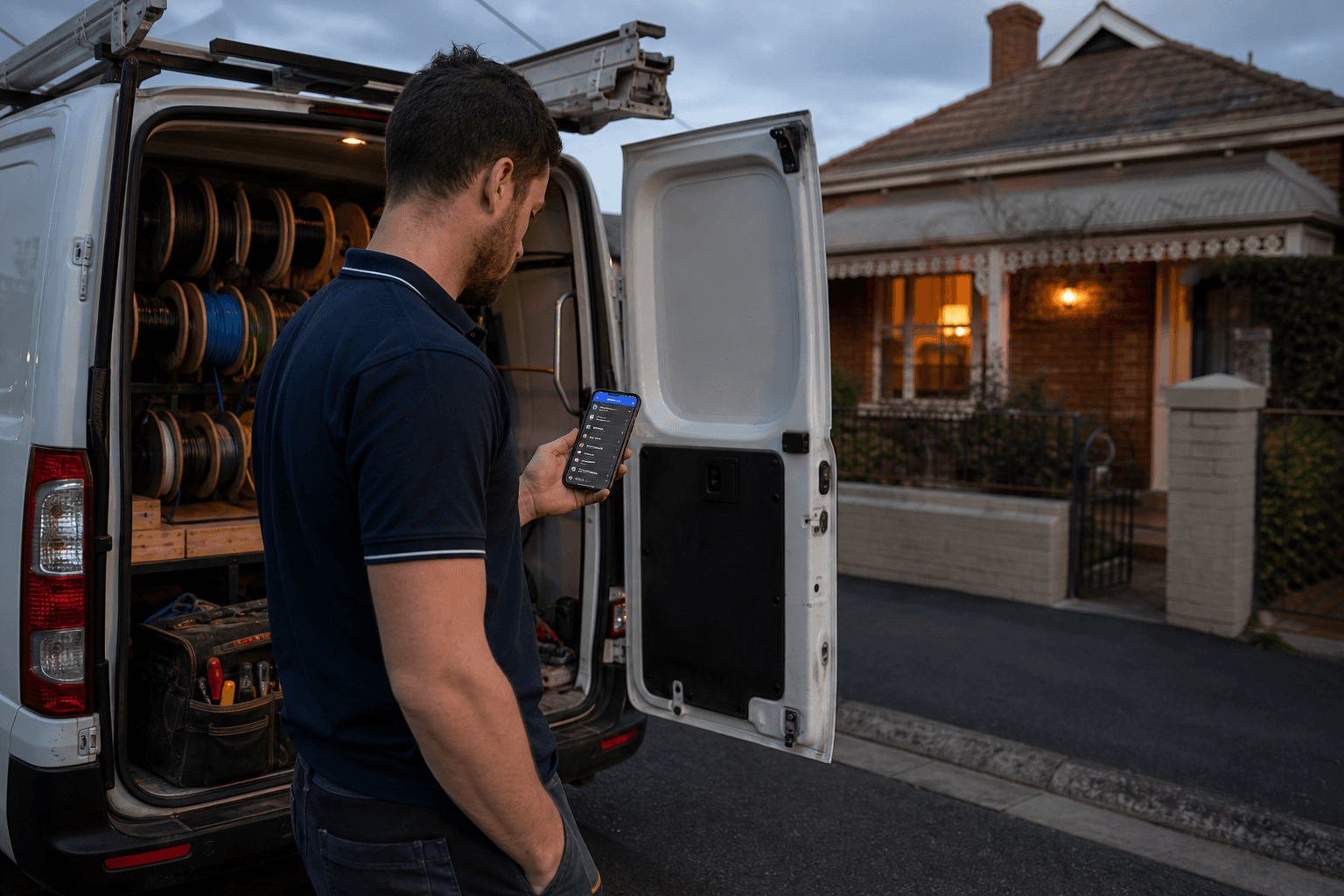
Job status without ringing every van
General practice · Ashgrove, QLD
Ashgrove Family Clinic
Monday mornings that aren’t a voicemail pile